
How Safe Is fopikotabitung.org? A Comprehensive Analysis of Petanque’s Growth in 2026
Understanding Petanque: Origins and Evolution
Petanque, a game that combines skill, strategy, and social interaction, has become increasingly popular in various parts of the world, including Indonesia. This sport, which focuses on precision and technique, has a storied history that dates back centuries. The essence of petanque lies in its simplicity, making it accessible to players of all ages and backgrounds. As we delve into its origins and evolution, we’ll uncover the significant milestones that have shaped petanque’s journey, especially in the context of Indonesia’s rich sporting culture.
For deeper insights into petanque activities and developments in Indonesia, visit fopikotabitung.org.
What is Petanque and Its Historical Significance?
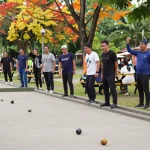
Petanque, originally from France, is a boules game that involves throwing metal balls as close as possible to a small wooden ball called the ‘jack’ or ‘cochonnet.’ The game is characterized by its strategic elements and social nature, often played in parks, streets, or backyards. Historically, petanque has evolved from ancient games played by Romans and Greeks, but it took on its modern form in France in the early 20th century. This game not only serves as a competitive sport but also acts as a means of community bonding and cultural activity.
How Petanque Came to Indonesia
The introduction of petanque to Indonesia is somewhat clouded in mystery, with no definitive records of its arrival. However, it is believed that the sport was brought to Indonesia by French expatriates, primarily in tourist areas such as Jakarta, Bali, and Lombok during the late 20th century. These expatriates established petanque facilities in their hotels and social clubs, which significantly influenced local tourism and leisure culture.
In the early days, petanque was restricted to a small group of expatriates, but its popularity gradually began to spread among locals. The establishment of formal organizations, such as FOPI (Federasi Olahraga Petanque Indonesia), played a crucial role in promoting petanque across various regions in Indonesia.
Key Milestones in the Development of Petanque
Several key milestones mark the development of petanque in Indonesia:
- The 1990s: The presence of expatriates in Indonesia helped to cultivate an interest in petanque, particularly among local communities in urban areas.
- 2011: The significant turning point for petanque occurred when Indonesia hosted the SEA Games, introducing petanque as an official sport. This event catalyzed the formal establishment of FOPI, which aimed to organize and promote the sport nationwide.
- Recent Years: Petanque has seen a surge in participation due to local tournaments, community outreach programs, and youth engagement initiatives, fostering a vibrant petanque culture within Indonesia.
FOPI Kota Bitung: A Pillar of Petanque in Indonesia
FOPI Kota Bitung serves as a vital organization in the development and promotion of petanque in the region. Under the auspices of FOPI Provinsi Sulawesi Utara and affiliated with KONI Kota Bitung, FOPI Kota Bitung oversees various activities aimed at enhancing the sport’s profile and encouraging local participation.
Organizational Structure and Leadership of FOPI
The leadership structure of FOPI Kota Bitung consists of experienced individuals who are passionate about the sport. The organization is committed to nurturing talent, providing coaching, and facilitating competitions that allow players of all skill levels to engage with petanque. They aim to create a supportive environment that encourages participation and fosters a love for the game.
Events and Activities Promoted by FOPI
FOPI Kota Bitung regularly organizes events that cater to various segments of the community. These events include local tournaments, workshops for new players, and exhibitions to showcase the sport. Such initiatives not only promote competition but also enhance community engagement and awareness of petanque as a recreational activity.
Partnerships and Affiliations with Other Organizations
FOPI Kota Bitung collaborates with schools, local governments, and sports clubs to expand its reach. These partnerships aim to integrate petanque into educational programs and local sports initiatives, ensuring the sport’s sustainability and growth in the region. By working together with other organizations, FOPI aims to elevate petanque’s status and encourage greater participation.
Building a Petanque Community in Bitung
Creating a vibrant petanque community requires collective effort and commitment. Through grassroots initiatives, FOPI Kota Bitung has been instrumental in fostering engagement and promoting the sport among residents of all ages.
How Grassroots Initiatives Foster Engagement
Grassroots initiatives, such as community tournaments and family-friendly events, have played a crucial role in cultivating interest in petanque. These activities provide opportunities for families to participate together, enhancing social bonds and promoting healthy lifestyles. Schools have also begun to incorporate petanque into their physical education curriculum, encouraging youth to adopt the sport early.
Challenges Faced by Local Players and Organizations
Despite the growing interest, FOPI Kota Bitung faces challenges, including limited funding, access to quality facilities, and competition from other sports. Additionally, raising awareness about petanque remains a struggle, particularly in regions where traditional sports dominate.
Success Stories from the Bitung Petanque Community
The Bitung petanque community boasts several success stories that highlight the potential of local talent. Young players have been recognized at regional competitions, showcasing their skills and representing Bitung on larger platforms. These success stories serve as motivation for others in the community to engage with the sport and strive for excellence.
Future Trends and Insights in Petanque for 2026
As petanque continues to evolve, several trends are emerging that could shape its future in Indonesia. With increasing interest from various demographics, the sport is poised for growth and greater recognition on both national and international levels.
The Rise of Youth Participation in Petanque
Youth participation is crucial for the sustainability of any sport. In 2026, petanque is expected to gain even more traction among younger generations, thanks to school programs and youth leagues established by FOPI. Engaging young players will ensure a bright future for the sport in Indonesia.
Innovative Training Techniques and Facilities
With the advent of technology and the sharing of best practices, training techniques for petanque are becoming more sophisticated. Future facilities are likely to include advanced training tools, such as performance analytics and simulation, to help players improve their skills and understanding of the game.
How Technology is Shaping the Game
Technology is also enhancing the spectator experience with live-streaming of tournaments and the use of social media platforms to promote events. These innovations are making the game more accessible and engaging for fans and potential players alike.
Participating in Petanque: Getting Started
If you’re interested in joining the petanque community, getting started is easier than you might think. With numerous resources available, you can learn to play and become part of this exciting sport.
Beginner’s Guide to Playing Petanque
To start playing petanque, familiarize yourself with the basic rules and techniques. The game is straightforward, making it ideal for beginners. Local clubs often offer beginner sessions, where you can learn the fundamentals in a friendly environment.
Equipment and Resources Needed for New Players
Purchasing or renting petanque equipment is essential. A set of boules and a cochonnet are necessary to get started. Many clubs have rental options available, making it accessible for newcomers. Additionally, online resources and tutorials can offer further insights into playing techniques.
Local Clubs and Training Opportunities in Bitung
FOPI Kota Bitung provides various training opportunities for players at all levels. New players can attend workshops or training sessions organized by the federation or local clubs. Participating in these activities not only helps improve skills but also fosters friendships and camaraderie among players.
What is the importance of Petanque in the community?
Petanque holds cultural significance in Bitung, serving as a bridge between various communities and promoting social interaction. It encourages physical activity and inclusivity, making it vital for community cohesion.
How can I get involved with FOPI Kota Bitung?
Getting involved with FOPI Kota Bitung is straightforward. You can attend local club meetings, volunteer for events, or participate in tournaments. Engaging with the community through these avenues is a great way to meet fellow enthusiasts and contribute to the sport’s growth.
What future events can I expect from FOPI Kota Bitung?
FOPI Kota Bitung is committed to organizing various events in the coming years. Anticipate local tournaments, friendly matches, and outreach activities aimed at promoting petanque to new demographics. These events will continue to create excitement around the sport and encourage wider participation.
Are there youth programs available for learning Petanque?
Yes, FOPI Kota Bitung has initiated youth programs tailored to engage younger players. These programs provide coaching, training sessions, and competitions designed specifically for youth, building a strong foundation for future generations in petanque.
How has Petanque influenced local culture in Bitung?
Petanque has become an integral part of local culture in Bitung, fostering a sense of community and togetherness. The sport has encouraged social interaction among diverse groups, contributing positively to the local social fabric.
What are the health benefits of playing Petanque?
Playing petanque offers numerous health benefits, including enhanced physical fitness, improved coordination, and mental sharpness. As a low-impact sport, it’s suitable for players of all ages, promoting a healthier lifestyle while being socially engaging.
 Previous Post
 Next Post