
Understanding Underground Leak Detection
Underground leak detection is a crucial service for homeowners, as it addresses hidden leaks that can lead to significant property damage and increased utility bills. These leaks often go unnoticed until they manifest as more severe issues, such as mold growth or structural damage. By utilizing advanced leak detection technologies, professionals can quickly and accurately locate these issues without invasive procedures.
When exploring options, underground leak detection services can save homeowners substantial repair costs and provide peace of mind. By understanding the different aspects of leak detection, homeowners can make informed decisions about maintaining their property.
What is Underground Leak Detection?
Underground leak detection refers to the process of identifying leaks in water and gas pipelines that are buried beneath the surface. This specialized service employs various techniques and tools designed to locate leaks without digging or causing unnecessary damage. The primary goal is to pinpoint the source of a leak quickly and accurately, minimizing the potential for extensive damage to the surrounding area.
Why Underground Leak Detection Matters for Homeowners
For homeowners, the importance of underground leak detection cannot be overstated. Undetected leaks can lead to:
- Structural Damage: Water leaks can erode the foundation of a home or cause severe damage to walls and ceilings.
- Mold Growth: Excess moisture creates an ideal environment for mold, which poses health risks and requires costly remediation.
- Increased Utility Bills: Even minor leaks can result in substantial water loss, leading to higher water bills.
- Environmental Impact: Wasted water contributes to broader environmental issues, especially in areas facing water scarcity.
Common Causes of Underground Water Leaks
Understanding the common causes of underground leaks can help homeowners take preventative measures. Some prevalent issues include:
- Pipe Corrosion: Over time, metal pipes can corrode and develop holes, leading to leaks.
- Tree Roots: Roots can infiltrate underground water pipes, causing them to crack or break.
- Ground Shifts: Changes in the soil due to heavy rainfall, drought, or construction can lead to pipe displacement.
- Improper Installation: Poorly installed pipes may not withstand pressure, leading to eventual leaks.
Technologies Used in Underground Leak Detection
The effectiveness of underground leak detection largely depends on the technology used. Professionals utilize several advanced methods to ensure accurate results. Here are some of the most common technologies:
Acoustic Listening Devices: How They Work
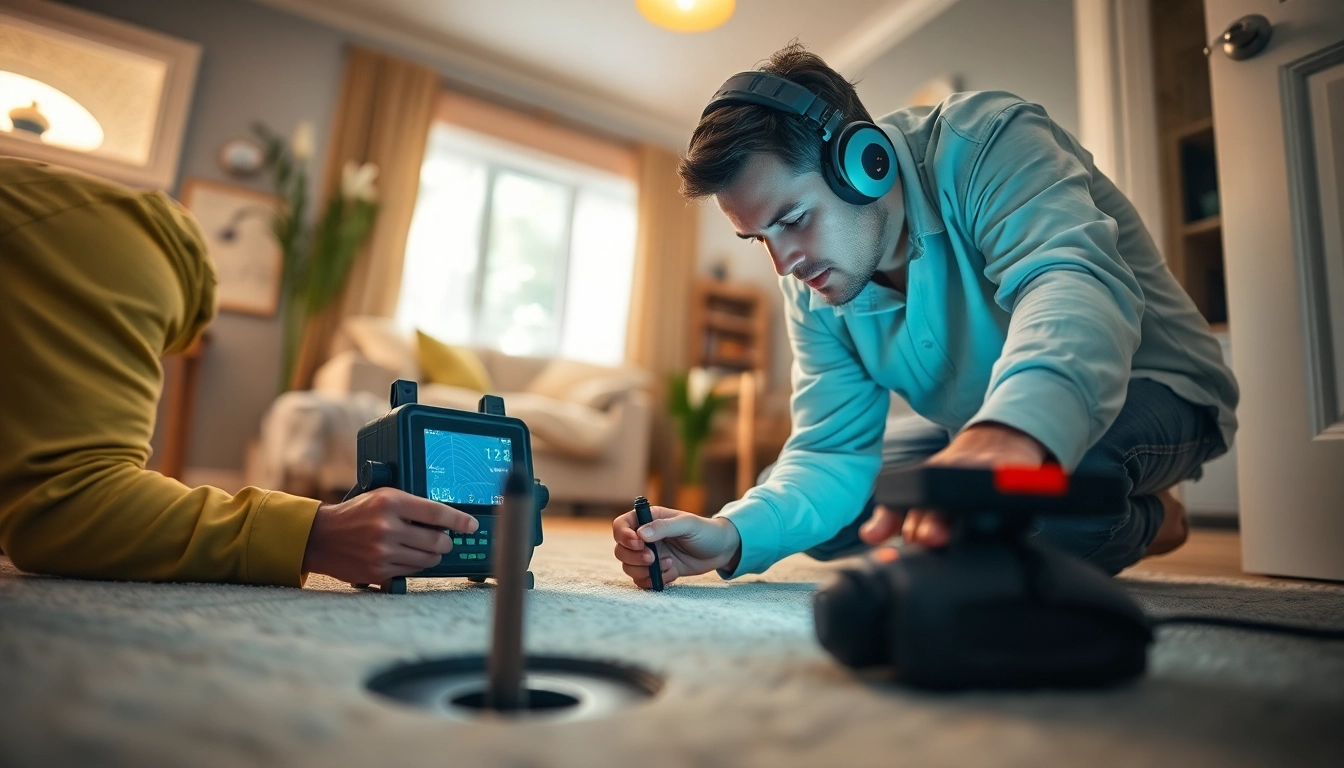
Acoustic listening devices are essential tools in underground leak detection. These devices work by amplifying the sound of water escaping from a pipe. Technicians place these sensitive microphones near the suspected leak area and listen for tell-tale signs of escaping water. This method is particularly useful for locating underground leaks where visual inspection is impossible.
Thermal Imaging Cameras in Leak Detection
Thermal imaging cameras play a significant role in identifying temperature variations caused by leaks. When water escapes from a pipe, it can cool down the surrounding soil, resulting in a noticeable difference in temperature compared to the unaffected area. By capturing these infrared images, technicians can quickly identify potential leak sources without any invasive digging.
Pressure Testing: A Reliable Method
Pressure testing involves monitoring the pressure in isolated sections of a pipeline. By observing changes in pressure levels, professionals can determine whether a leak exists. This method is highly effective for both water and gas pipelines and is often one of the first steps in diagnosing underground leak issues.
Identifying Signs of Underground Leaks
Homeowners should be vigilant and aware of the signs that may indicate an underground leak within their property. Recognizing these early signs can be pivotal in preventing further damage.
Warning Signs Every Homeowner Should Know
Some common warning signs of underground leaks include:
- Unexplained Wet Spots: Puddles in your yard or around your home can indicate a leak.
- Increased Water Bill: A sudden spike in your water bill without any changes in usage may suggest a leak.
- Mold or Mildew Growth: Unusual mold growth in damp areas can be a sign of hidden leaks.
- Cracks in Walls or Foundations: Visible cracks can indicate moisture issues due to leaks.
How to Conduct a Preliminary Leak Assessment
Conducting a preliminary assessment can help homeowners quickly gauge whether they might have a leak. Here are some steps to follow:
- Check Water Meter: Turn off all water sources in the home and observe the water meter. If it continues to move, a leak is likely.
- Inspect Your Property: Look for wet areas, particularly after a heavy rain, and check for signs of mold or mildew.
- Monitor Your Water Bill: Keep track of any unusual increases, which can indicate a potential leak.
The Impact of Delayed Leak Detection
Delaying leak detection can have severe consequences. Not only can it lead to costly repairs, but it can also pose health risks to the inhabitants of the property and lead to increased utility bills. Addressing leaks promptly ensures that your home remains safe and structurally sound, ultimately saving you money in the long run.
Choosing a Professional Leak Detection Service
When selecting a leak detection service, homeowners need to understand what to look for in a professional to ensure they are getting quality service.
What to Look for in a Leak Detection Expert
Key factors to consider when choosing a leak detection expert include:
- Experience: Opt for a company with a proven track record and substantial experience in underground leak detection.
- Technology: Ensure they utilize state-of-the-art technology for accurate leak detection.
- Customer Reviews: Look for testimonials or reviews to gauge customer satisfaction and service quality.
- Certifications: Check for proper licensing and certifications that validate their expertise.
Questions to Ask Before Hiring
Before finalizing a leak detection service, consider asking these important questions:
- What technologies do you use for leak detection?
- Do you provide a detailed report after the assessment?
- What is your warranty or guarantee policy?
- Can you explain your pricing structure?
Understanding Service Guarantees and No Find No Fee Policies
Many reputable leak detection services offer guarantees or no-find-no-fee policies, ensuring that customers only pay for successful leak detection. This type of policy provides peace of mind, as it minimizes financial risk while encouraging the use of professional services for leak issues.
Future Trends in Underground Leak Detection
As technology advances, the future of underground leak detection is set to evolve significantly. Homeowners should stay informed about these emerging trends.
Emerging Technologies to Watch in 2025
In the coming years, we can expect to see more advanced technologies in underground leak detection, including:
- Artificial Intelligence: AI can help analyze leak data more efficiently, allowing for quicker diagnosis and resolution.
- IoT Devices: Smart home systems may soon integrate leak detection technologies, alerting homeowners in real-time.
- Drone Technology: Drones equipped with thermal imaging may provide new perspectives and capabilities in leak detection.
The Importance of Regular Maintenance and Inspections
Regular maintenance and inspections of plumbing systems can help prevent leaks from developing. By scheduling periodic assessments, homeowners can identify potential issues before they escalate into costly repairs.
How Sustainability is Shaping Leak Detection Services
As environmental concerns become more urgent, many leak detection companies are focusing on sustainable practices. This includes using environmentally friendly materials and promoting water conservation through efficient leak detection and repair services.