
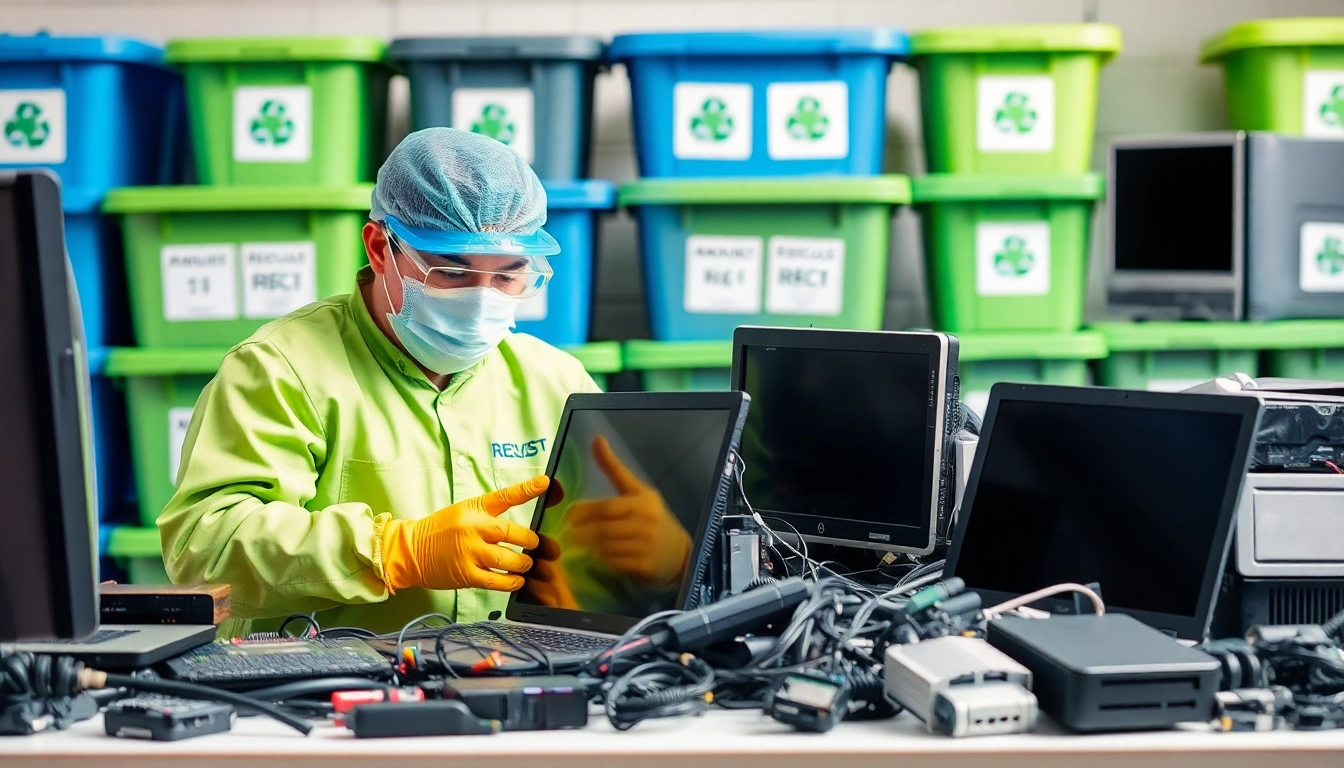
Understanding Free Computer Recycling
What Is Free Computer Recycling?
Free computer recycling refers to the process of disposing of outdated or unused computers without incurring any cost. It typically involves programs set up by organizations, local governments, or private companies designed to accept electronic waste (e-waste) at no charge. This initiative is crucial for promoting environmental sustainability as improper disposal can lead to toxic substances leaching into the soil and waterways. By participating in free computer recycling, individuals can ensure their devices are handled responsibly.
Benefits of Free Computer Recycling
Engaging in free computer recycling offers numerous benefits:
- Environmental Conservation: Reduces e-waste and minimizes harmful impacts on the environment, preserving natural resources.
- Resource Recovery: Allows valuable materials like metals and plastics to be reclaimed and reused, thus reducing the demand for raw materials.
- Community Support: Many recycling programs partner with local charities, helping to educate the community about sustainable practices.
- Crisis Management: Helps prevent health hazards associated with discarded electronics, ensuring safe and eco-friendly disposal.
Who Can Participate in Free Computer Recycling?
Free computer recycling is accessible to everyone, including:
- Individuals: Home users looking to dispose of old computers responsibly.
- Businesses: Companies replacing outdated equipment can utilize recycling programs to manage e-waste sustainably.
- Schools and Nonprofits: Educational institutions and nonprofits can participate for eco-friendly disposal of obsolete tech.
How to Find Free Computer Recycling Locations
Online Resources for Local Recycling
Finding free computer recycling locations can be simplified using various online resources. Websites dedicated to recycling services offer databases where you can enter your location and find nearby facilities. For example, local government websites often list authorized recycling centers, and there are dedicated apps and platforms focused on e-waste recycling solutions. Additionally, using the search term “free computer recycling near me” can yield nearby options.
Community Initiatives Supporting Free Computer Recycling
Community-oriented programs frequently organize e-waste collection days. These initiatives, often run by local governments or nonprofit organizations, offer a convenient way for residents to drop off their old electronics. Engaging in such events fosters community spirit and raises awareness about the importance of responsible waste management. Keep an eye on local bulletin boards and online community forums for announcements about these initiatives.
Participating in Corporate Recycling Programs
Various corporations run free recycling programs to encourage responsible disposal of technology. These typically include drop-off options at retail locations or scheduled pickups for businesses. Participating in these programs not only assists with e-waste management but often provides benefits such as discounts or rewards for future purchases. Businesses looking to go green may find corporate partnerships particularly advantageous in establishing sustainable practices.
Preparing Your Computer for Recycling
Data Removal Before Recycling
Before recycling a computer, it’s essential to ensure any personal data is completely removed. This can involve several steps, including:
- Backing Up Important Files: Store significant documents and data on external drives or cloud services.
- Using Data Wiping Software: Employ specialized software to wipe hard drives securely, ensuring that all data is irretrievable.
- Physical Destruction: For extra security, physically destroy hard drives. This method is more common in high-risk situations.
Disassembling Components Properly
Breaking down a computer into its components can improve recycling efficiency. Consider the following:
- Identify Recyclable Parts: Many parts, like motherboards and graphics cards, can be recycled separately.
- Separate Materials: Glass, plastics, and metals should be sorted to enhance the recycling process.
Packaging Guidelines for Transport
When preparing to transport your computer for recycling, proper packaging is crucial. Follow these guidelines:
- Use Sturdy Containers: Ensure your components are secured in durable boxes to prevent damage.
- Labeling: If you’re recycling different components or devices, label your boxes clearly to assist recycling handlers.
Impact of Free Computer Recycling on the Environment
Reducing E-Waste Through Responsible Practices
The impact of free computer recycling extends beyond individual benefits; it plays a crucial role in reducing overall e-waste. Recycling programs help divert millions of tons of electronic waste from landfills, effectively minimizing pollution and conserving natural resources. With e-waste expected to keep growing, such initiatives are critical for the environment.
Conserving Resources and Energy
Recycling materials from old electronics conserves energy and resources needed for new production. For example, recycling aluminum saves 90% of the energy required to make new aluminum from raw resources. Further, the recovery of precious metals, like gold and silver, helps lessen the need for mining new supplies, which has been environmentally disastrous.
Creating Awareness About Sustainable Disposal
Participating in free computer recycling raises awareness about the importance of responsible disposal and sustainability. As communities engage with recycling initiatives, it cultivates a culture of environmental responsibility, encouraging individuals to think twice before discarding electronics into general trash.
Frequently Asked Questions about Free Computer Recycling
What items can I recycle for free?
Most recycling programs accept computers, monitors, printers, laptops, and peripherals like keyboards and mice, ensuring a wide range of tech can be disposed of responsibly.
How does free computer recycling help the community?
It fosters environmental sustainability, reduces pollution, provides resource recovery, and often supports local charities, enhancing community public awareness and participation.
Is data deletion necessary before recycling?
Yes, it is essential to remove all data from devices to protect your personal information. Data wiping software or physical destruction of hard drives are recommended methods.
Can businesses participate in free computer recycling?
Absolutely! Many businesses can utilize free recycling programs for efficient e-waste disposal, often benefiting from organized pickups or drop-off options.
How do I ensure safe transport to recycle centers?
Use sturdy, labeled containers for transporting devices, ensuring all parts are securely packaged to prevent damage during transport. Ensure they’re easily identifiable for recycling personnel.