
Which Is Better, Brita or Pur? Full Guide to Filter Quality
When it comes to choosing a water filter for your home, the decision often comes down to two well-known brands: Brita and Pur. Both are popular choices for people who want cleaner, safer drinking water. But which one should you choose? This guide explores the differences between Brita and Pur, helping you decide which filter offers better value, cleaner water, and a more convenient experience.
Understanding Water Filtration
Before diving into brita or pur, it’s important to understand how water filters work. Water filters are designed to remove impurities, such as chlorine, lead, and other contaminants that can affect taste and safety. The main types of filtration include:
- Activated carbon filters: These absorb chemicals like chlorine and improve water taste and odor.
- Ion exchange filters: These reduce heavy metals like lead and copper.
- Mechanical filters: These remove larger particles, such as dirt and rust.
Both Brita and Pur use a combination of these technologies, but the effectiveness varies depending on the brand and filter model.
Brita or Pur: Brand Overview
Brita
Brita has been a household name in water filtration for decades. Known for its pitcher filters, faucet filters, and water bottles, Brita focuses on improving taste and reducing common contaminants. Key features include:
- Easy-to-use pitcher designs
- Standard replacement filter lifespan of about 40 gallons or two months
- Affordable filter replacements
- Focus on chlorine reduction and taste improvement
Pur
Pur also has a strong reputation for providing clean, safe drinking water. Pur products include pitchers, faucet-mounted filters, and dispensers. Key features of Pur filters are:
- High contaminant removal, including lead and mercury
- Longer filter lifespan in some models, up to 100 gallons
- Advanced technology to remove more heavy metals and bacteria
- Slightly higher price point than Brita
Filter Performance: Brita vs Pur
One of the most important factors when choosing between Brita or Pur is filter performance. Let’s break down how each brand performs in key areas:
Contaminant Removal
- Brita: Reduces chlorine, copper, mercury, and zinc. Ideal for improving taste and odor.
- Pur: Reduces more contaminants than Brita, including lead, mercury, and certain pesticides. Pur is often recommended for areas with higher lead levels.
Taste and Odor
Both Brita and Pur significantly improve water taste. However, Brita filters are specifically designed for chlorine removal, which is the main factor affecting taste in many municipal water supplies. Pur filters also reduce chlorine but may have a slight advantage in removing additional chemicals that impact flavor.
Filter Lifespan
Filter lifespan affects cost and convenience. Brita filters typically last 40 gallons, or about two months for an average household. Pur filters can last between 40 to 100 gallons, depending on the model. This means Pur may offer longer use before replacement, but at a higher upfront cost.
Flow Rate
Flow rate is how fast water passes through the filter. Brita pitchers are generally faster than Pur pitchers, meaning you wait less time for filtered water. Pur filters may filter more thoroughly but take slightly longer.
Cost Comparison
When comparing Brita or Pur, cost is a key factor. Here’s a breakdown:
- Brita Pitcher: $20–$40, replacement filters $6–$10 each.
- Pur Pitcher: $25–$45, replacement filters $10–$15 each.
Over time, the cost difference can add up. Brita is usually more budget-friendly, while Pur offers more advanced filtration for a slightly higher price.
Ease of Use
Both brands are user-friendly, but there are some differences:
- Brita: Lightweight pitchers, simple filter replacement, wide variety of pitcher sizes.
- Pur: Slightly bulkier, but often includes filter indicators and some models with advanced filtration systems.
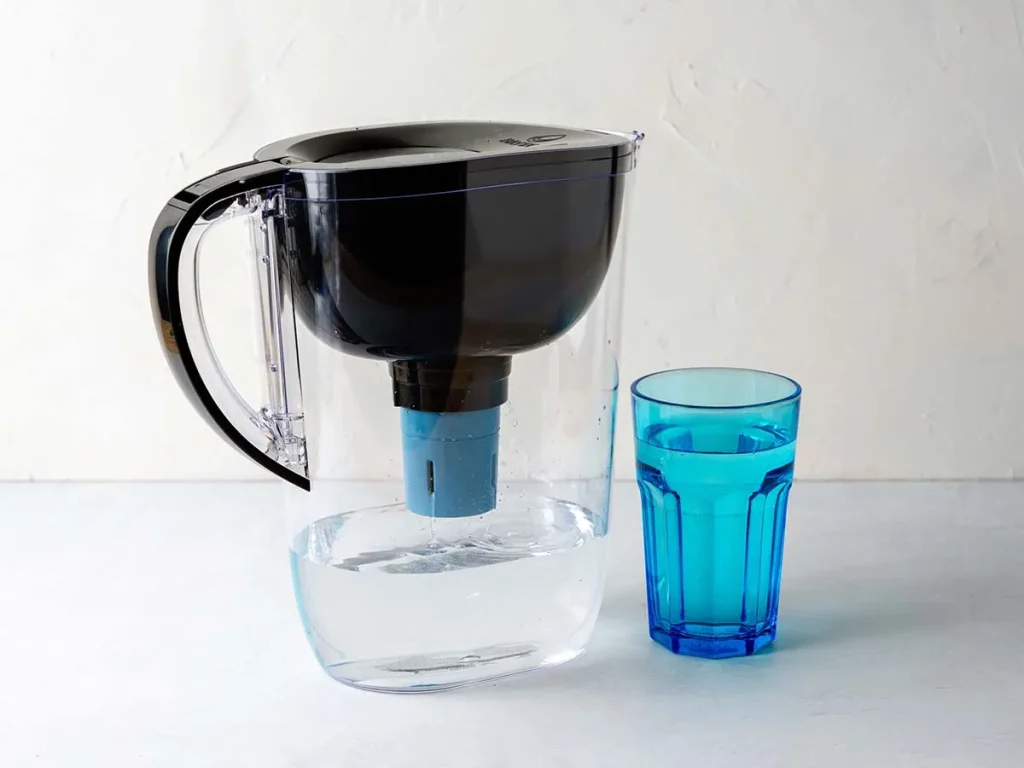
Real-Life Example: Lead Removal
Consider a household with older pipes that may have lead contamination. A family using Brita might notice improved taste but limited lead removal. Switching to Pur, which is certified to remove most lead from water, can provide peace of mind and safer drinking water, especially for children.
Maintenance and Filter Replacement
Both Brita and Pur require regular filter replacement to maintain effectiveness. Brita filters are easy to swap out and widely available in stores and online. Pur filters also need timely replacement, and some models have an electronic filter life indicator to help track usage.
Environmental Considerations
Both brands are committed to sustainability. Brita has a recycling program for used filters, while Pur also encourages recycling and offers replacement filters made from environmentally conscious materials. Choosing either brand responsibly contributes to reducing plastic waste.
Choosing the Right Filter for Your Needs
When deciding between Brita or Pur, consider these factors:
- Water quality in your area: If your water has high levels of lead or heavy metals, Pur may be better.
- Budget: Brita is generally more affordable upfront and for replacements.
- Convenience: Brita is slightly faster and lighter, making it more convenient for frequent use.
- Desired lifespan: Pur filters may last longer depending on the model, reducing replacement frequency.
- Taste preference: Both improve taste, but Brita is slightly better for chlorine taste removal.
Case Study: Household Water Test
A family tested both Brita and Pur over three months. Their municipal water had noticeable chlorine taste and trace metals. The results:
- Brita: Chlorine taste significantly reduced, water was more palatable, some heavy metals remained.
- Pur: Taste improved, and lead levels were reduced to safe limits, providing extra safety.
This example shows how your choice may depend on specific water concerns.
Pros and Cons Summary
Brita
Pros: Affordable, easy to use, good taste improvement, widely available.
Cons: Limited heavy metal removal, shorter filter lifespan.
Pur
Pros: Excellent contaminant removal, longer filter lifespan, advanced technology.
Cons: Slightly more expensive, slower flow rate, bulkier design.
Comparing Filtration Technology: Brita or Pur
How Brita Filters Work
Brita or Pur filters use different methods to purify water. Brita primarily relies on activated carbon and ion exchange to reduce chlorine, improve taste, and lower certain metals. Many users choose Brita for its straightforward, effective filtration that makes tap water taste fresh.
How Pur Filters Work
Pur filters, on the other hand, often remove a wider range of contaminants, including lead, mercury, and pesticides. When evaluating Brita or Pur, people notice that Pur provides more comprehensive filtration, which can be critical in areas with older pipes or uncertain water quality.
Filter Lifespan and Replacement Costs: Brita or Pur
Brita Filter Longevity
Brita filters usually last around 40 gallons or two months, depending on usage. When considering Brita or Pur, cost-conscious users often prefer Brita for its affordable filter replacements, which are easy to find in stores or online.
Pur Filter Longevity
Pur filters can last between 40 and 100 gallons, offering longer use than Brita in many cases. While the initial replacement cost may be higher, evaluating Brita or Pur for long-term value often leads some households to choose Pur for its extended lifespan and robust performance.
Taste and Odor Improvement: Brita or Pur
Taste Differences with Brita
One of the main reasons people choose Brita or Pur is taste. Brita filters excel at removing chlorine and improving the flavor of tap water, making it more enjoyable to drink for everyday use.
Taste Differences with Pur
Pur also improves water taste but goes a step further by filtering out additional chemicals and metals that may affect flavor. For those comparing Brita or Pur, Pur is often preferred for a more neutral and clean taste, especially in regions with stronger water odors.
Ease of Use and Convenience: Brita or Pur
Brita User-Friendly Design
Brita or Pur options both focus on convenience, but Brita pitchers are lightweight, easy to refill, and simple to maintain. Many families choose Brita for its practical design and quick access to filtered water.
Pur User-Friendly Design
Pur filters, while slightly bulkier, often feature indicators to remind users when it’s time to replace the filter. When comparing Brita or Pur, this added convenience can be a deciding factor for households that want to track filter usage automatically.
Safety and Health Benefits: Brita or Pur
Health Advantages of Brita
Using Brita or Pur ensures safer drinking water, but Brita effectively reduces common contaminants like chlorine and copper. For families focused on taste and basic safety, Brita offers a reliable, health-conscious option.
Health Advantages of Pur
Pur excels in removing heavy metals such as lead, making it ideal for households with older plumbing. When evaluating Brita or Pur, Pur often stands out for health-focused users who prioritize comprehensive contaminant reduction alongside improved taste.
Final Verdict: Brita or Pur?
Both Brita and Pur provide reliable, safe, and improved-tasting water. If your primary goal is affordable, quick, and easy filtration for chlorine taste and odor, Brita is an excellent choice. However, if you want maximum protection against lead, mercury, and other contaminants, and don’t mind spending a little more, Pur may be the better option. Your decision ultimately depends on your specific needs, budget, and water quality concerns. If you enjoy our blogs, you’ll love what we’ve built on our homepage.
FAQs
Which is better for lead removal, Brita or Pur?
Pur is generally better for lead removal. It is certified to reduce most lead in tap water, while Brita focuses more on improving taste and reducing chlorine.
How often should I replace Brita or Pur filters?
Brita filters typically last about 40 gallons or two months, while Pur filters can last 40 to 100 gallons depending on the model. Regular replacement ensures optimal water quality.
Can Brita or Pur remove bacteria from water?
Neither Brita nor Pur is designed to remove bacteria. They primarily target chemicals, heavy metals, and sediments. For bacterial concerns, additional treatment like boiling or UV filters is recommended.
 Next Post