
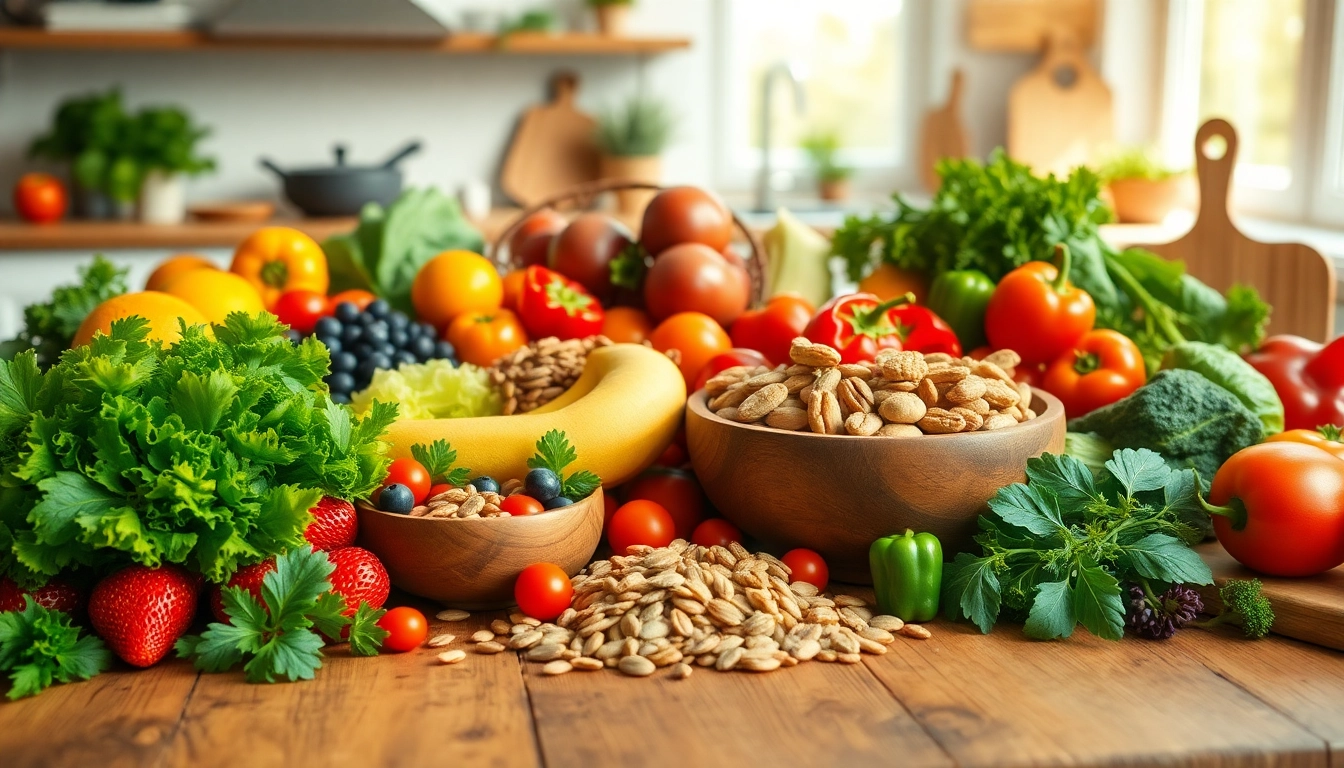
Understanding Healthy Food
What Constitutes Healthy Food?
Healthy food encompasses a wide variety of nutrients essential for the body's growth, maintenance, and overall health. Generally, these foods are high in vitamins, minerals, fiber, and antioxidants while being low in added sugars, saturated fats, and sodium. Items such as fruits, vegetables, nuts, seeds, whole grains, and lean proteins are integral to a healthy diet.
To define what constitutes healthy food, we can refer to the guidelines provided by nutrition experts and institutions. Foods classified as whole or minimally processed tend to offer optimal nutritional value. For example, an healthy food choice could be an apple compared to apple pie, which is laden with sugars and fats.
Benefits of Incorporating Healthy Foods
Incorporating healthy foods into our diet has numerous benefits, some of which include:
- Improved Physical Health: A diet rich in nutritious foods can reduce the risk of chronic diseases such as heart disease, diabetes, and obesity.
- Enhanced Mental Well-Being: Nutrient-dense foods can boost cognitive function and may help alleviate symptoms of anxiety and depression.
- Weight Management: Eating a balanced diet can help maintain a healthy weight, as many healthy foods are low in calories and high in fiber, promoting satiety.
- Stronger Immune System: Essential nutrients like vitamins C and D, zinc, and antioxidants help bolster the immune system, making the body more resilient to infections.
Common Misconceptions about Healthy Eating
Despite the wealth of information available on the topic, several misconceptions about healthy eating persist. One common myth is that healthy food must be bland or tasteless. This is far from the truth; healthy meals can be vibrant and flavorful, using herbs and spices to enhance taste without adding unhealthy ingredients.
Another misconception is the belief that healthy eating is prohibitively expensive. While some health foods can be pricey, many affordable options, such as seasonal fruits and vegetables, legumes, and whole grains, are both nutritious and budget-friendly. Understanding these realities can empower individuals to make better dietary choices.
Top Healthy Foods You Should Include
Fruits: The Natural Sweet Treats
Fruits are not only delicious but also packed with vitamins, minerals, and fiber. Varieties like berries, oranges, apples, and bananas provide essential nutrients that support health.
Fruits also contain antioxidants, which help combat oxidative stress in the body. Studies suggest that diets rich in fruits are associated with reduced risks of chronic diseases, including heart disease and certain cancers. Incorporating a variety of fruits into daily meals can provide a natural sweetness without the drawbacks of processed sugars.
Vegetables: Nutrient-Dense Powerhouses
Vegetables are vital for a healthy diet due to their high nutrient density and low caloric content. Options such as spinach, kale, broccoli, and carrots are excellent sources of vitamins A, C, and K, as well as minerals like potassium and magnesium.
Eating a colorful array of vegetables ensures a broad spectrum of nutrients and health benefits. For example, dark leafy greens are not only rich in iron but also provide various phytonutrients that enhance health. In addition to their nutritional value, vegetables are versatile; they can be used in salads, stir-fries, soups, and blended into smoothies.
Whole Grains: A Vital Component of Healthy Diets
Whole grains, including oats, quinoa, brown rice, and barley, are excellent sources of complex carbohydrates and fiber. Unlike refined grains, whole grains retain the bran, germ, and endosperm, ensuring they provide vital nutrients like B vitamins, iron, and magnesium.
Incorporating whole grains into meals can also support digestive health and promote heart health by lowering cholesterol levels. For instance, breakfast options like oatmeal can contribute to prolonged energy levels and help regulate blood sugar levels, making them an ideal choice to start the day.
Creating Balanced Meals with Healthy Food
How to Combine Foods for Nutritional Balance
A balanced meal typically consists of a mix of macronutrients, including carbohydrates, proteins, and fats, along with micronutrients from various foods. To create balanced meals, consider the following combinations:
- Lean Protein with Whole Grains: A serving of grilled chicken or tofu alongside brown rice or quinoa provides essential proteins for muscle growth and repair while offering energy from complex carbohydrates.
- Fruits and Vegetables: Pairing a colorful salad (a variety of veggies) with fruit can enhance a meal's vitamin content, where tomatoes, spinach, and berries combined promote diverse nutrient absorption.
- Healthy Fats: Incorporate healthy fats from avocados, olive oil, or nuts to meals that include whole grains and vegetables for a balanced approach to energy.
Portion Control: Eating the Right Amount
Even when consuming healthy foods, portion control is essential. Overeating, regardless of the food type, can lead to weight gain and other health issues. Strategies to manage portions include:
- Using Smaller Plates: This psychological trick can help reduce the amount of food consumed without feeling deprived.
- Listening to Your Body: Pay attention to hunger signals; eat when hungry and stop when satisfied.
- Distributing Snacks: Instead of consuming large snacks, divide portions into smaller servings throughout the day.
Crafting Delicious and Healthy Recipes
Healthy eating doesn't need to be bland. Here are some ideas for healthy recipes that are both nutritious and tasty:
- Quinoa Salad: Combine cooked quinoa with diced cucumbers, cherry tomatoes, parsley, lemon juice, and a drizzle of olive oil for a refreshing salad.
- Stir-Fried Vegetables: Quick stir-frying assorted vegetables with tofu or chicken and a splash of soy sauce creates a wholesome meal.
- Breakfast Smoothie: Blend spinach, banana, almond milk, and a scoop of protein powder for a nutrient-packed start to your day.
Healthy Eating on a Budget
Affordable Healthy Food Options
Healthy food options can fit into almost any budget. Some affordable choices include:
- Legumes: Beans and lentils are budget-friendly sources of protein and can be added to many dishes.
- Seasonal Fruits and Vegetables: Purchasing fruits and vegetables that are in season can significantly reduce costs while ensuring freshness.
- Frozen Produce: Frozen fruits and vegetables maintain their nutritional value and are often cheaper than fresh alternatives.
Meal Planning for Health and Savings
Effective meal planning can help you stay healthy while saving money. Here are steps for successful meal planning:
- Select Recipes: Choose a variety of healthy recipes that use similar ingredients to minimize waste.
- Create a Shopping List: Based on the selected recipes, prepare a shopping list that incorporates staple ingredients.
- Prep Ahead: Dedicate one day a week for meal preparation. Prepping meals and snacks in advance makes it easier to stick to healthy eating throughout the week.
Smart Shopping Tips for Healthy Eating
Making smart choices at the grocery store can help maintain a healthy diet without overspending. Consider the following tips:
- Shop the Periphery: Grocery stores typically arrange healthy foods—fruits, vegetables, lean meats, and dairy—around the edges. Try to focus your shopping on these sections to avoid processed foods.
- Buy Generic Brands: Store-brand products often offer the same quality as name brands but at a lower price.
- Use Coupons and Discounts: Take advantage of sales, loyalty programs, and coupons to reduce your grocery bill.
Tracking Your Healthy Eating Journey
Tools to Monitor Your Nutritional Intake
Tracking your food intake can help you stay accountable and identify areas for improvement. Consider using:
- Mobile Apps: Numerous apps, like MyFitnessPal or Cronometer, allow users to log their meals and monitor their nutrient intake.
- Food Diaries: Keeping a handwritten food diary can also enhance awareness of eating habits.
- Fitness Trackers: Many fitness trackers provide insights into dietary habits alongside physical activity, fostering a holistic approach to health.
Setting Realistic Goals for Healthy Eating
Setting achievable and measurable goals is crucial to promote long-term dietary changes. Here are some effective strategies:
- Start Small: Instead of overhauling your entire diet, aim for small changes like adding one serving of vegetables to your meals each day.
- Track Progress: Keep a log of your dietary changes to celebrate successes and recognize patterns.
- Seek Support: Engaging with friends, family, or dietitians can provide motivation and accountability throughout your journey.
Adjusting Your Diet Over Time for Optimal Health
As your body changes, so might your dietary needs. Regularly assessing your health, lifestyle, and food preferences can inform necessary adjustments to your diet. Here are some tips for adapting:
- Stay Informed: Keeping up with the latest nutritional research can guide your food choices.
- Consult a Professional: A registered dietitian can provide tailored advice based on personal health goals.
- Listen to Your Body: Pay attention to how different foods make you feel, and adjust your diet to enhance your energy and well-being.